

Colorants are crucial for colored oral capsules—they enhance product辨识度 and build brand value. A non-negotiable requirement: since capsules are ingested, their colorants must adhere to the same stringent safety and regulatory standards as food additives. In major global markets, approved capsule colorants are typically included in the corresponding food additive permission lists.
Let’s explore the two primary categories of colorants driving the pharmaceutical and nutraceutical industries:
1. Synthetic Colorants: The Reliable Mainstream Choice
Hard capsules are essentially formed films. Colorants are uniformly added when the shell material (e.g., gelatin or plant-based gums) is in a liquid state, making the color an inherent part of the capsule shell (internal coloring). For this reason, water-soluble synthetic dyes are widely used in this process.
From a chemical structure perspective, common synthetic dyes mainly fall into the following categories: azo, indigoid, and triarylmethane. Additionally, synthetic pigments—especially iron oxides (red, yellow, black)—are extensively used for manufacturing opaque, light-shielding capsules due to their excellent opacity and stability.
The core advantages of synthetic colorants lie in their superior batch-to-batch color consistency, wide color gamut options, and strong physicochemical stability. This enables brands to achieve precise, consistent color reproduction (e.g., Pantone color matching) and ensures the appearance quality of products throughout their shelf life.
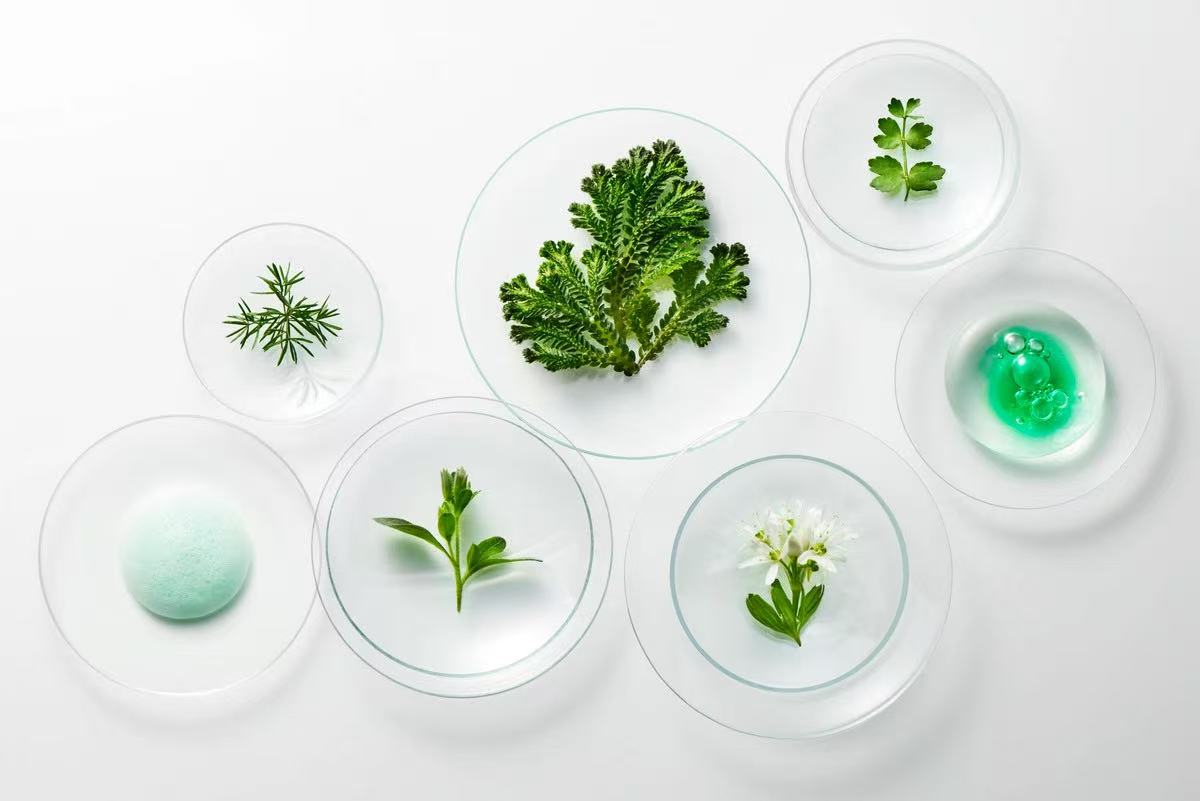
2. Natural-Derived Colorants: The Sustainable Choice Aligning with Market Trends
With the deepening of "clean label" and sustainability concepts, natural-derived colorants from plants, minerals, or animals are gaining increasing popularity in fields such as nutraceuticals. They help enhance the perception of a product’s "natural" attributes.
Common natural-derived colorants include cochineal red, turmeric, chlorophyll, saffron, spirulina, and vegetable carbon black. It’s worth noting that natural-derived colorants usually have complex compositions, and their safe use must be based on sufficient evaluations and regulatory approvals. Meanwhile, their production processes and ecological footprints are also integral parts of sustainability considerations.
Key Considerations When Switching from Synthetic to Natural-Derived Colorants
If planning to switch from a mature synthetic colorant solution to a natural-derived one, focus on the following two key points:
- Color Consistency Management: Due to the inherent variability of natural raw materials, subtle color differences may occur between batches. This needs to be managed by establishing reasonable color acceptance criteria, selecting standardized raw materials, and collaborating closely with suppliers.
- Stability Evaluation and Protection: Some natural-derived pigments may be sensitive to light, heat, or pH values. During the product development stage, comprehensive stability tests must be conducted. Based on the results, assess whether packaging design (e.g., light-resistant containers) or formula optimization is required to ensure the appearance stability of the product within its shelf life.
Hongkang Capsules deeply understands the technical, regulatory, and market logic behind colorant selection. We not only offer a rich library of standard colors but also provide professional customized color solutions, including precise color card matching. Our technical team can assist you in evaluating the feasibility of different colorant solutions, balancing performance, compliance, and cost, helping your products stand out safely and excellently among numerous competitors.
Post time:2026-01-14